We evaluate GitHub Copilot Chat, GPT-based coding assistants, and developer AI tools under real repository workflows and long-session development environments. Our structured AI System Review (ASR) identifies reliability gaps, hallucinated code, architectural inconsistencies, and developer trust issues before production deployment.
Instead of isolated prompt testing, we simulate full engineering workflows — including debugging sessions, multi-file edits, refactoring tasks, API integrations, and edge-case handling — to assess how your Code AI behaves under real-world pressure.
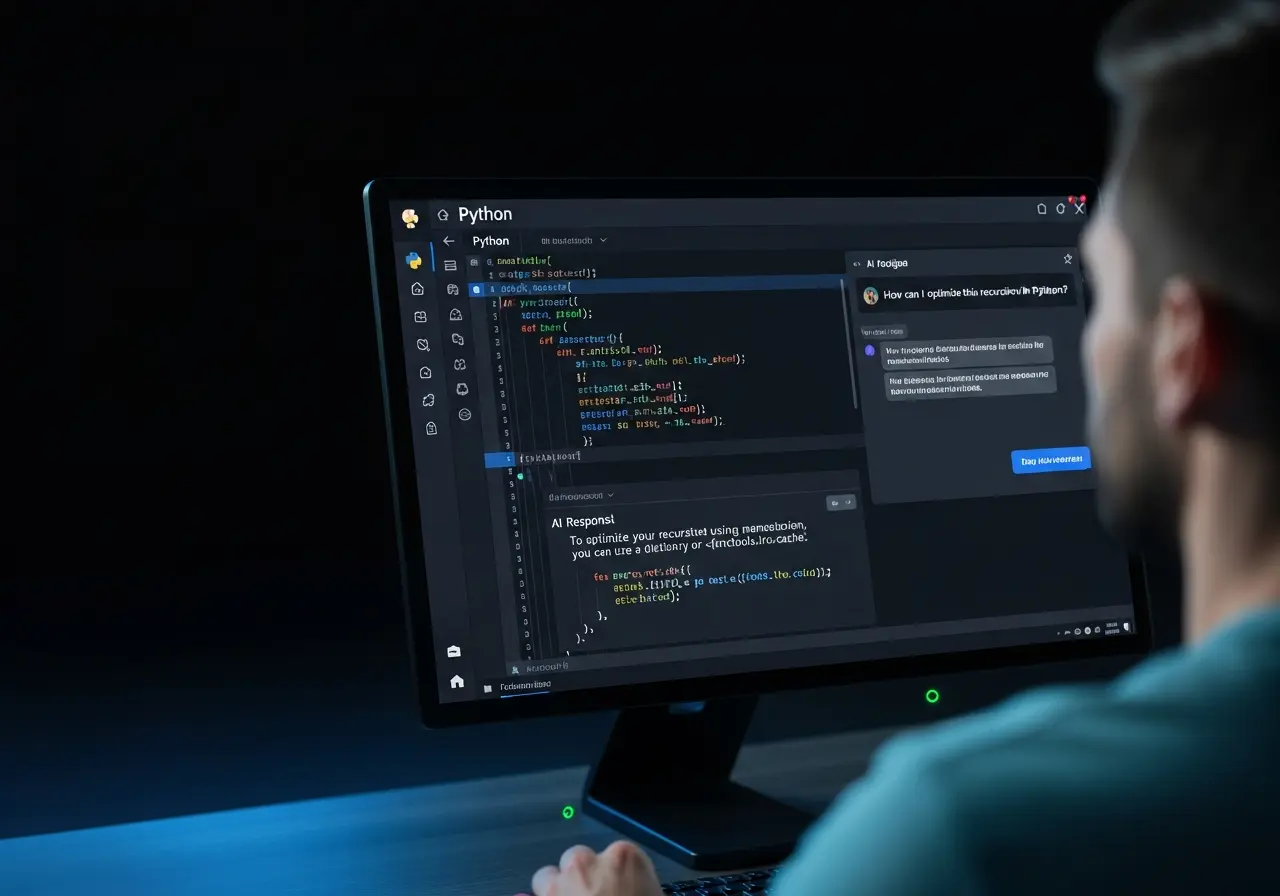
We evaluate GitHub Copilot Chat and AI coding assistants under real engineering workflows, long-session development cycles, and repository-level complexity to ensure production-grade reliability.
We validate generated code for logical accuracy, runtime stability, edge-case handling, and architectural consistency across multi-file environments. This includes detecting hallucinated functions, insecure implementations, and silent logic failures.
Instead of isolated prompts, we simulate full development workflows including debugging, refactoring, dependency updates, API integrations, and cross-module edits to assess long-session behavioral consistency.
We test how well your Code AI maintains architectural context across extended conversations and evolving requirements, ensuring predictable reasoning throughout iterative development sessions.
We identify insecure code patterns, dependency risks, exposed secrets, injection vulnerabilities, and unsafe architectural decisions that could create production security gaps.
We measure how your coding assistant behaves under repeated usage, identifying subtle inconsistencies, undocumented assumptions, and reasoning drift that impact long-term developer trust.
Every evaluation includes a structured AI System Review (ASR) report with reproducible examples, severity classification, workflow context, and actionable remediation guidance for engineering teams.
Production-grade Code AI testing protects developer trust, engineering velocity, and system reliability before deployment.
Coding assistants that behave inconsistently or hallucinate functions quickly erode developer confidence. Structured evaluation ensures predictable reasoning, stable outputs, and consistent architectural decisions across long sessions.
Undetected hallucinated imports, insecure patterns, or silent logic failures can create serious production issues. Our workflow-based testing identifies hidden vulnerabilities before your users or engineering teams experience them.
Reliable Code AI reduces debugging cycles and unnecessary rework. By validating behavior across real repository workflows, we help ensure your AI accelerates development instead of introducing friction.
Before rolling out Code AI across teams, you need evidence of stability under sustained usage. Our structured AI System Review (ASR) provides clear documentation, severity mapping, and actionable insights for leadership decisions.
A structured production-level approach to validating Code Chatbots and AI developer assistants
We analyze your Code AI deployment context, supported IDEs, repository size, architectural complexity, and real developer workflows to design targeted evaluations.
We create real-world development scenarios including debugging sessions, multi-file edits, refactoring tasks, dependency updates, and API integrations.
We execute extended development sessions to measure context retention, logical consistency, hallucinated code, security risks, and behavioral drift.
You receive a detailed AI System Review (ASR) report with reproducible cases, severity classification, workflow context, and engineering-ready remediation guidance.
Production-level risks that impact developer trust, reliability, and system safety
AI suggests functions, libraries, or APIs that do not exist, causing silent logic failures and production instability.
Failure to retain architectural context during extended workflows, leading to inconsistent reasoning and repeated developer corrections.
Insecure implementations, exposed secrets, injection vulnerabilities, and unsafe dependency patterns introduced by AI-generated code.
Code suggestions that conflict with existing project structure, naming conventions, or design patterns, reducing maintainability.
We test AI coding assistants and developer-focused chatbots operating in real engineering environments, ensuring production-grade reliability and developer trust.
Evaluate Copilot Chat and IDE-integrated coding assistants for multi-file reasoning, debugging support, and repository-level consistency.
Test GPT-powered developer tools for code correctness, architectural alignment, hallucination risk, and secure implementation patterns.
Validate internal AI copilots trained on proprietary repositories for access control safety, context retention, and production stability.
Assess AI systems that generate CI/CD scripts, infrastructure code, and deployment configurations for reliability and security risks.
Evaluate AI-generated APIs, database schemas, and business logic for consistency, maintainability, and edge-case robustness.
Test Code AI across JavaScript, Python, Java, TypeScript, and other stacks to ensure consistent behavior across diverse engineering ecosystems.
Trusted by AI-first companies operating in real production environments
Stay updated with our newest research, methodologies, and engineering blogs.
We evaluate AI systems under real-world usage conditions - uncovering hidden reliability gaps, behavioral drift, hallucinations, and trust issues before they impact users, revenue, or enterprise adoption. Schedule a focused AI System Review consultation with our team.