Enterprise Code Improvement & RLHF Evaluation

We evaluate reinforcement learning pipelines and feedback systems used to improve GitHub Copilot, Codex, GPT-based coding assistants, and custom code LLMs operating in production environments.

In code generation systems, poorly designed reward signals can optimize for superficial correctness while degrading architecture quality, security standards, or long-term maintainability. Our structured evaluation identifies reward misalignment, feedback bias, and stability risks before they compound at scale.
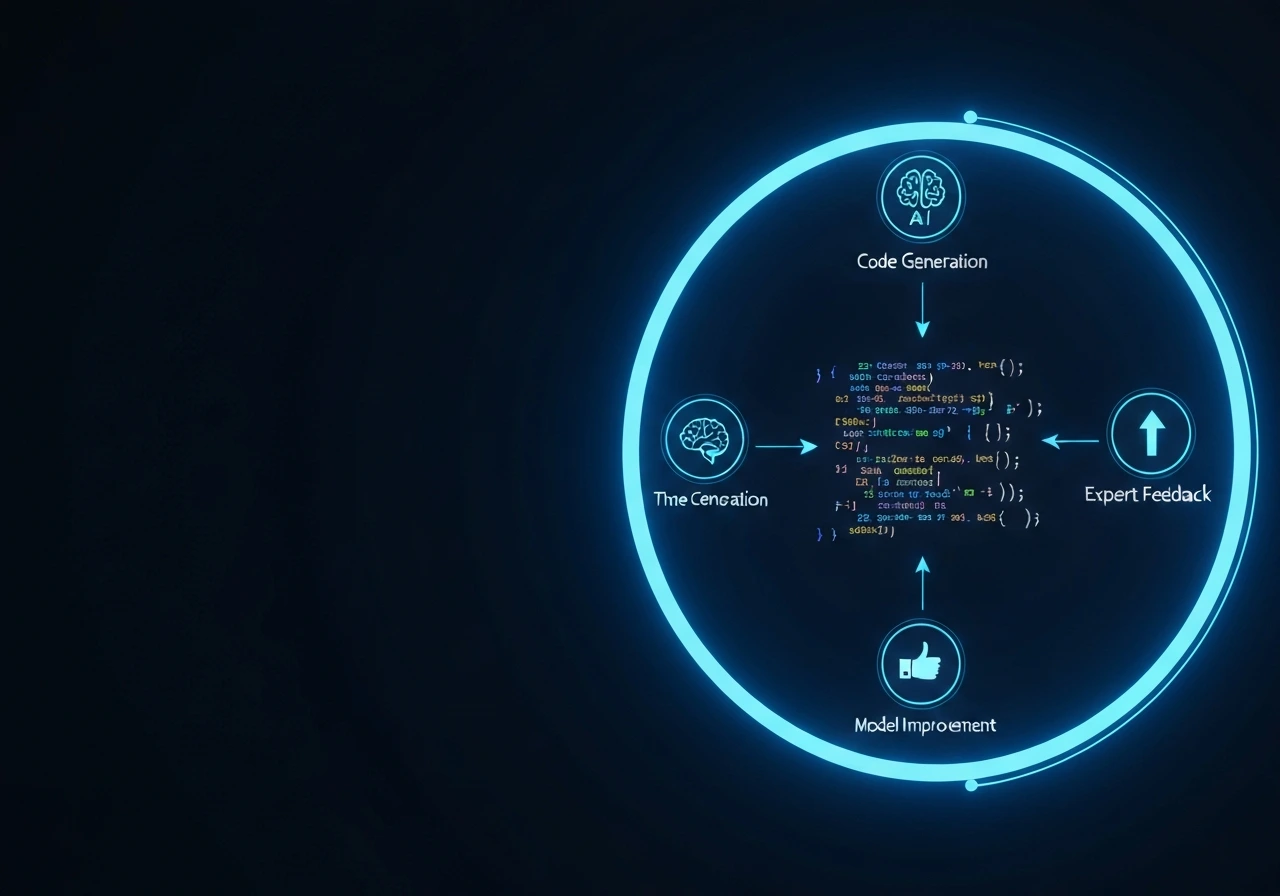

Code RLHF & Improvement Feedback Evaluation

Comprehensive Code Reinforcement & Feedback Validation

We analyze how reward models, human feedback pipelines, and iterative training loops influence real-world code quality.

Reward Signal Alignment Testing

Evaluate whether reward models prioritize secure, maintainable, and architecturally sound implementations rather than surface-level correctness.

Feedback Loop Stability Analysis

Assess whether iterative training cycles produce measurable quality improvement or introduce regression, drift, and unintended coding behaviors.

Long-Term Model Behavior Monitoring

Test reinforcement outcomes across extended sessions to detect architectural inconsistency, pattern instability, and over-optimization.

Reward Hacking & Exploitation Detection

Identify scenarios where models exploit scoring logic to achieve high reward without genuine improvement in code quality.

Human Feedback Consistency Audit

Measure rater agreement, bias patterns, and feedback reliability to ensure human evaluation drives meaningful model alignment.

Actionable Model Improvement Guidance

Deliver structured evaluation reports with prioritized recommendations to strengthen reward systems and accelerate safe model iteration.

Why Code Reinforcement Testing Matters

In code generation systems, poorly designed reward signals can scale architectural flaws, security risks, and unstable patterns across millions of outputs.

Ensure Architectural Alignment

Reward systems must reinforce secure, maintainable, and scalable implementations rather than shortcut solutions. Testing ensures your model aligns with real engineering standards, not just syntactic correctness.

Prevent Scaled Reward Hacking

Code models may exploit scoring logic by optimizing for superficial metrics. We identify exploitation patterns before they become amplified through large-scale fine-tuning cycles.

Stabilize Iterative Training

Reinforcement loops can introduce regression, design drift, or over-optimization. Structured evaluation ensures consistent quality gains across training iterations.

Maximize Feedback ROI

Human feedback collection is expensive. Testing validates that reward signals and rating pipelines produce measurable improvements rather than wasted training cycles.

Our Code Reinforcement Evaluation Process

A structured framework for auditing reward models, feedback loops, and iterative training behavior in code LLM systems.

Reinforcement Architecture Audit

Analyze reward model design, scoring logic, rater workflows, and alignment objectives.

Reward Signal Stress Testing

Evaluate how reward models respond to adversarial, edge-case, and architectural complexity scenarios.

Exploitation & Drift Detection

Identify reward hacking, regression patterns, and instability introduced across reinforcement cycles.

Structured Improvement Roadmap

Deliver prioritized recommendations to strengthen reward alignment, feedback reliability, and long-term model stability.

Aspects of Code Reinforcement Systems We Evaluate

We assess how reinforcement pipelines influence real-world code quality, architecture stability, and long-term model behavior.

Reward Signal Alignment

Validate that reward models prioritize secure, maintainable, and scalable implementations rather than superficial correctness.

Feedback Reliability & Bias

Measure rater agreement, bias patterns, and scoring consistency to ensure stable reinforcement signals.

Reward Hacking Detection

Identify exploit patterns where models maximize reward scores without genuine improvement in code quality.

Architectural Drift Analysis

Evaluate whether reinforcement cycles introduce inconsistent design patterns or long-term structural instability.

Annotator Calibration

Assess alignment between reviewers to ensure feedback reinforces meaningful engineering standards.

Security Preservation

Ensure reinforcement does not unintentionally degrade security patterns, validation logic, or safe coding practices.

Code AI Systems Using Reinforcement & Feedback

We evaluate reinforcement pipelines powering production-grade code generation systems.

Code LLMs & Coding Assistants

Evaluate RLHF systems improving GitHub Copilot-style assistants across real development workflows.

Multi-File Code Generation

Test reinforcement impact on architecture consistency across complex repositories and extended coding sessions.

Cloud & DevOps Code Systems

Evaluate reinforcement effects on infrastructure-as-code, CI/CD pipelines, and deployment automation scripts.

Backend & API Generation

Assess how reinforcement influences database logic, authentication handling, and production API standards.

Secure Code Optimization

Test whether reinforcement loops preserve secure patterns and do not unintentionally introduce vulnerabilities.

What AI Teams Say About Working With Us

Trusted by AI-first companies operating in real production environments

"Acadify evaluated our code AI models under real repository workflows and long-session usage. Their structured AI System Review helped us uncover subtle edge cases and behavioral inconsistencies that internal testing didn’t surface. It significantly improved our production reliability."
Magic AI
Engineering Leadership
Magic AI
"The team didn’t just test our AI system - they simulated real user behavior over time. Their detailed feedback revealed reliability gaps and trust issues that could have impacted adoption post-launch. The ASR report was clear, structured, and immediately actionable."
Product Team
Krustha AI
"For our generative image platform, Acadify analyzed consistency across repeated creative workflows. They identified drift and subtle behavioral patterns that affected output predictability. Their real-world testing approach helped us strengthen long-term user confidence."
Core Team
Mihu – AI Image Platform
"Acadify’s production-level AI testing ensured our application behaved reliably under sustained usage. Their workflow-based evaluation exposed performance gaps and edge cases before our users experienced them."
Engineering Team
Blueribbon Solution
"Acadify helped us evaluate our AI workflows beyond surface-level accuracy metrics. Their real-world simulation uncovered subtle reliability gaps and edge-case behavior that would have affected enterprise users. The structured ASR feedback gave our engineering team a clear roadmap for improvement."
AI Engineering Team
Stealth Company
"What stood out was their focus on long-session usage and workflow consistency. Acadify didn’t just test prompts — they evaluated how our AI system behaved under real operational pressure. Their production validation significantly improved predictability and internal confidence before launch."
Product & Engineering Leadership
Stealth Company

Latest Insights & Case Studies

Stay updated with our newest research, methodologies, and engineering blogs.

Loading blogs...

Is Your AI Truly Production-Ready?

We evaluate AI systems under real-world usage conditions - uncovering hidden reliability gaps, behavioral drift, hallucinations, and trust issues before they impact users, revenue, or enterprise adoption. Schedule a focused AI System Review consultation with our team.