We evaluate GitHub Copilot, Codex, GPT-based coding assistants, and custom code LLMs to ensure generated code meets enterprise security, compliance, and regulatory standards.
Our structured evaluation framework identifies OWASP Top 10 vulnerabilities, insecure authentication flows, injection risks, improper error handling, hardcoded secrets, insecure dependency usage, and open-source license violations before they reach production environments.
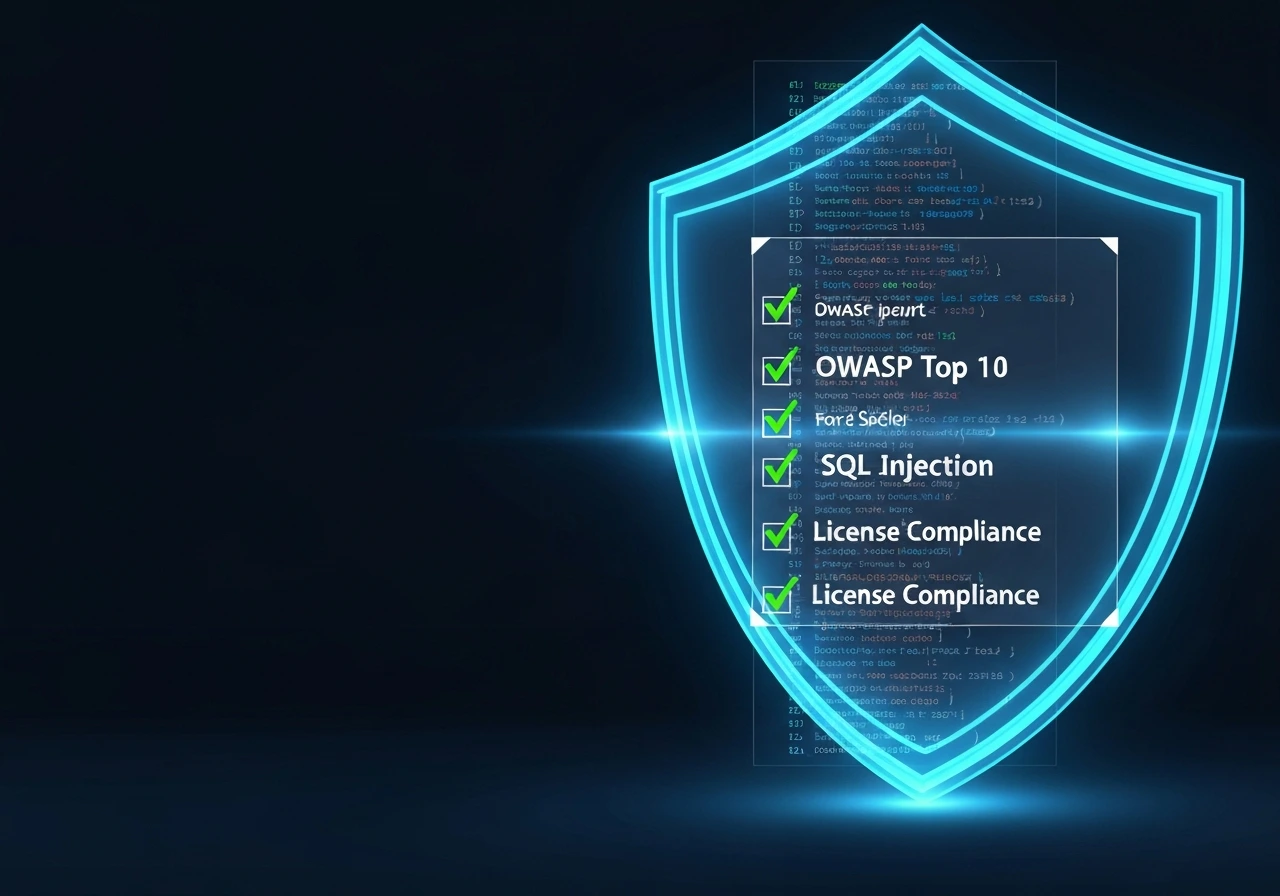
We evaluate AI-generated code against enterprise security standards, regulatory frameworks, and secure software development lifecycle requirements.
Identify SQL injection, XSS, insecure deserialization, broken authentication, and other OWASP vulnerabilities introduced by AI-generated code.
Detect hardcoded API keys, credentials, tokens, and improper environment variable handling that create serious production risks.
Validate open-source license usage, detect incompatible dependencies, and prevent legal exposure from improper package selection.
Ensure generated components follow secure design patterns, proper input validation, and principle-of-least-privilege practices.
Evaluate alignment with secure coding standards, internal policies, SOC 2, ISO 27001, and regulated industry development practices.
Provide structured AI System Review reports documenting risk findings, remediation guidance, and compliance alignment for enterprise audits.
AI-generated code introduces unique security and compliance risks that traditional review processes often miss.
AI-generated code can introduce injection flaws, insecure authentication flows, and unsafe error handling. Structured security testing prevents exploitable vulnerabilities from reaching live systems.
Hardcoded secrets, improper access control, and insecure dependency usage can lead to costly data breaches. Compliance validation mitigates these risks early.
Vendors using AI coding assistants must meet internal security audits, SOC 2, ISO 27001, and regulated industry requirements. Proper validation accelerates procurement approvals.
AI tools may suggest incompatible open-source licenses or copyrighted code. License compliance checks reduce legal risk and protect intellectual property.
A structured framework to validate security posture, regulatory alignment, and enterprise readiness of AI-generated code.
Identify applicable frameworks including OWASP Top 10, secure coding standards, SOC 2, ISO 27001, and industry-specific compliance requirements.
Evaluate AI-generated outputs for injection risks, insecure authentication patterns, exposed secrets, dependency misuse, and license violations.
Assess alignment with secure development lifecycle practices, DevSecOps pipelines, code review processes, and internal governance standards.
Deliver structured AI System Review reports detailing vulnerabilities, compliance gaps, remediation guidance, and risk prioritization for audit readiness.
We validate AI-generated code against recognized security frameworks, software compliance standards, and enterprise audit requirements.
Detection of injection flaws, broken authentication, insecure deserialization, and other critical web application risks commonly introduced in AI-generated code.
Alignment with enterprise security controls, access management, secure SDLC practices, and audit documentation required for certification and vendor approval.
Verification that generated code does not violate data protection principles including improper logging, unsafe storage, or insecure data handling.
Detection of incompatible licenses, copied snippets, and potential intellectual property exposure risks in AI-generated outputs.
Validation against language-specific best practices including input validation, error handling, cryptographic usage, and dependency management.
Evaluation of how AI-generated code integrates into CI/CD pipelines, code review workflows, vulnerability scanning, and internal security approval processes.
AI-generated code must meet strict security, audit, and regulatory standards in industries where software risk directly impacts revenue, compliance, and customer trust.
Validate AI-generated code handling patient data to ensure HIPAA alignment, secure storage practices, and safe clinical software deployment.
Ensure AI-assisted development complies with financial security controls, encryption standards, and audit requirements for regulated banking systems.
Validate AI-generated backend services, APIs, and infrastructure code to meet SOC 2, ISO 27001, and enterprise procurement standards.
Detect vulnerabilities in payment flows, authentication logic, and recommendation systems that could expose sensitive consumer data.
Ensure AI-assisted internal development meets secure SDLC standards, governance policies, and access control requirements within large organizations.
Validate Copilot-style coding assistants and developer AI tools for security reliability, license compliance, and enterprise readiness.
Trusted by AI-first companies operating in real production environments
Stay updated with our newest research, methodologies, and engineering blogs.
We evaluate AI systems under real-world usage conditions - uncovering hidden reliability gaps, behavioral drift, hallucinations, and trust issues before they impact users, revenue, or enterprise adoption. Schedule a focused AI System Review consultation with our team.